Guide Professional rodent control Kenora for mice and rats
Guide Professional rodent control Kenora for mice and rats
Blog Article
A rodent issue rarely starts with a major, visible infestation. You may first notice a few droppings in a cupboard, scratching noises above the ceiling, or a stale urine odour near a wall. Mice and rats can enter through small gaps that admit wildlife, then travel between wall cavities, attics, crawl spaces, and areas used for storage.
Professional Rodent Control Kenora services go beyond removing the animals you can see. A trained pest control technician checks for the source of the activity, confirms the species, reduces the population, seals entry points, and helps you avoid a repeat problem. Mosquito Man is one company name homeowners may find when researching pest services, but you should always confirm the inspection process, treatment scope, and safety steps before hiring any provider.
Indications You May Have a Rodent Infestation
Evidence of rodents often appear before you notice mice or rats. A house mouse may remain hidden during the day, while rats can avoid open areas and move beside walls. Check areas where food, warmth, and shelter are easy to find.
- Feces: Small, dark waste near food cupboards, drawers, appliances, or baseboards may suggest mice. Larger, capsule-shaped droppings may signal rats. Fresh droppings tend to look moister and darker than older, dry waste.
- Gnaw marks: Mice and rats chew cardboard, wood, plastic, and wiring. Look for paired tooth marks around food packaging, pipes, doors, and stored materials.
- Noises from scratching: Scratching sounds or rapid movement above a ceiling, inside a wall, or under a floor may indicate active rodents. Activity often increases at night.
- Nesting material from rodents: Shredded paper, fabric, cardboard, insulation, and other soft material can become nest sites behind appliances, in an attic, or inside a wall.
Other clues include greasy rub marks along walls, disturbed insulation, damaged packages, and a persistent urine odour. One sign does not always prove an active rodent infestation, but several signs in the same area need quick attention. Avoid sweeping or vacuuming dry droppings because dust may move contaminants through the air. A professional can guide you on sanitary cleanup.

Frequent Mice and Rat Issues in Homes
The house mouse is slender enough to pass through a gap about the width of a pencil. It commonly nests near food preparation areas, utility rooms, stored goods, and insulation. Mice reproduce quickly when they have regular access to food and shelter. A few sightings may represent a larger hidden population.
Rats are larger and stronger. The Norway rat often stays close to low shelter, damp areas, crawl spaces, and foundations. Rats can chew through softer materials and create larger openings as they move through a building. Both mice and rats can damage stored items, soil surfaces, and disturb insulation.
Entry points may occur around pipes, utility lines, doors, roof joins, vents, foundations, and damaged siding. Rodent behaviour also changes with seasonal conditions, construction, food availability, and pressure from people or pets. A rodent that avoids a trap may simply have learned that a new object has appeared in its path.
Effective mouse control and rat control depend on matching the response to the species. A treatment plan for a house mouse is not automatically suitable for a Norway rat. The technician should record activity areas, travel routes, food sources, and likely nesting sites before choosing control methods.
What Draws Rodents to a Property
Rodents remain where they find food, water, and cover. Food waste stored in open containers can draw in mice and rats. Crumbs under appliances, overflowing bins, compost residue, and damaged food packaging also offer easy meals.
Pet food becomes another common attractant. Store dry food in sealed containers and remove uneaten food after feeding. Do not leave bowls Rodent Control Kenora outdoors overnight if rodents are active nearby.
Standing water may come from leaking taps, blocked drains, condensation, pet bowls, or poor grading around a building. A small water source can maintain activity when other supplies are limited. Repair leaks and drain containers that collect rain or meltwater.
Clutter gives rodents places to hide and build nests. Stacked boxes, unused furniture, wood piles, and dense vegetation near walls can make inspection difficult. Keep stored items off the floor where possible, leave a small gap around walls, and remove materials that can become rodent nesting material.
What to Expect From Professional Rodent Control Works
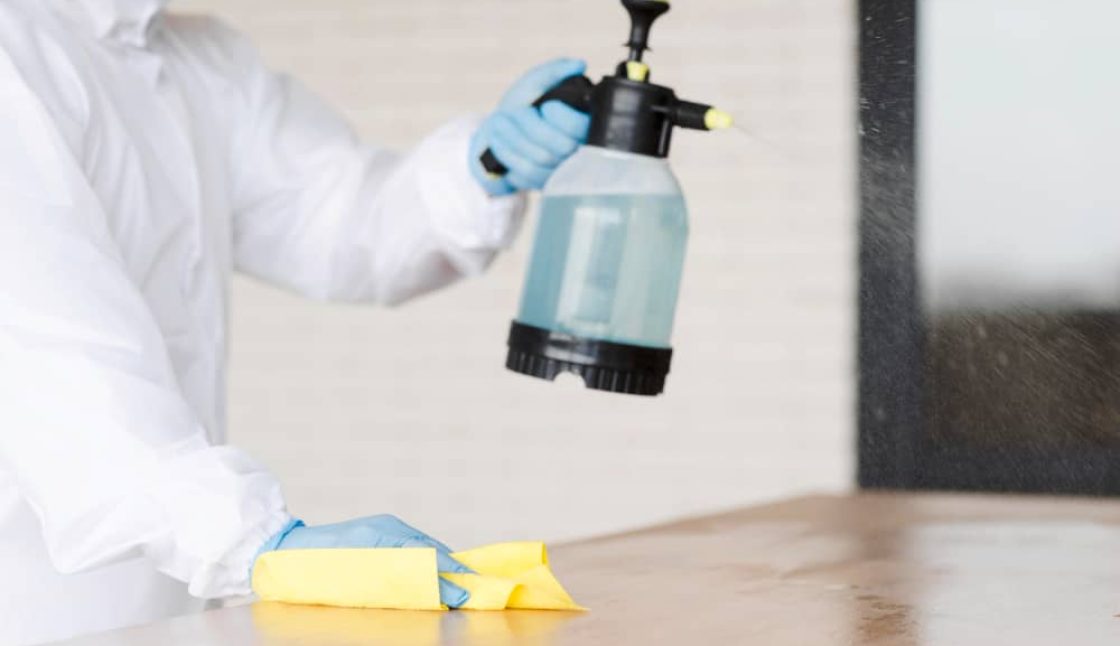
A professional service should use a practical sequence. It begins with a property inspection, moves forward with rodent identification and trapping, and finishes with exclusion work and prevention advice. The goal is rodent removal without leaving the conditions that caused the problem.
During the initial visit, the technician may ask when you noticed activity, where you found signs, whether pets are present, and whether food or building work has changed. These details support an accurate infestation assessment.
Inspection and Infestation Assessment
A property inspection may include the attic, crawl space, garage, utility areas, kitchen, basement, storage rooms, and exterior walls. The technician looks for droppings, rub marks, gnaw marks, nesting areas, odours, damaged insulation, and openings around services.
Wall voids can conceal movement that is not visible from inside a room. In an attic, disturbed insulation and droppings can reveal where rodents travel or rest. A crawl space may reveal burrows, moisture, damaged ducting, or foundation gaps.
Dropping evidence helps show activity level and travel direction, but it must be interpreted with other signs. Older droppings may remain after rodents leave. Fresh damage, new odours, and repeated sounds suggest current activity. The technician should explain the evidence instead of relying on a quick visual guess.
Rodent Removal and Population Reduction
Trapping is often used to reduce rodent activity inside a building. Snap traps, also called mechanical traps, can provide a quick result when placed along active travel routes. Correct placement matters. A trap in an open room may be ignored, while one beside a wall or near a known opening may work more effectively.
Live traps may be considered in some situations, but they require frequent checks and careful handling. Releasing a captured rodent without addressing entry points may simply move the problem elsewhere. Ask how the service handles captured animals and how it prevents further access.
Bait products can support a pest management plan when trapping by itself is not suitable. They should never be left where kids, domestic animals, or wildlife can reach them. Professionals may position rodenticides inside inspection stations or secured bait stations designed for safer access.
Tracking stations help indicate whether rodents remain active after treatment. A technician can look for signs of bait feeding, movement, and new droppings during later inspections. This approach supports steady population reduction instead of repeated, unplanned bait placement.
Sealing Entry Points and Preventing Re-entry
Exclusion work closes the openings that allow mice and rats to enter. Exclusion repairs may include closing foundation gaps, securing loose siding, sealing roof edges, and filling openings around pipes and cables. Materials should match the size and location of the gap. Rodents can gnaw through weak filler and reopen the route.
Door seals help close the gap beneath exterior doors. Vent covers can keep rodents out while allowing air to move. Damaged screens, gaps around service lines, and openings near the foundation also should be addressed.
Weather sealing makes exclusion work last longer. Flexible sealants, metal mesh, hardware cloth, and properly fitted covers can help withstand dampness and gnawing. A professional should tell the difference between immediate exclusion repairs and larger maintenance work that may need a different contractor.
Health-Related and Building Risks from House Mice and Rats
Rodent waste can leave behind contaminated surfaces in kitchens, cupboards, storage rooms, and air-handling areas. Droppings, urine, nesting material, and damaged food packaging may contribute to contamination and disease risk. Do not handle waste with bare hands. Follow sanitation guidance and use suitable protective equipment.
Electrical wiring is a serious concern. Chewed insulation around wires can expose conductors and increase the chance of equipment failure or fire. Have damaged wiring checked by a qualified electrical professional.
Rodents can tear through insulation to create nests. Insulation damage may reduce energy performance and leave contaminated material in hidden areas. Rats may also damage ducting, plastic pipes, stored documents, and building materials. Long-term activity can contribute to structural damage around openings, walls, floors, and foundations.
Sanitary cleanup should begin only after the rodent source is controlled. Cleaning too early may disturb contaminated material while animals remain active. A service provider can explain which areas require cleaning, disposal, or replacement.
Are Rodent Treatments Secure for Children and Pets?
Rodent treatments can be carried out safely when the provider uses integrated pest management. This method combines inspection, sanitation, exclusion, trapping, monitoring, and limited chemical treatment where needed. It does not depend on placing bait throughout a home without identifying the cause of the activity.
Tamper-resistant bait stations help limit access to rodenticides. They should be placed in locations that children and pets are unable to reach, and the technician should identify where they are located. Never move a station without asking the service provider, since poor placement can reduce control and increase exposure risk.
Safe placement also applies to snap traps and live traps. Traps should sit away from play areas, pet routes, and busy areas of the home. Keep children and pets away from treatment areas during service and observe all written instructions.
Sanitation reduces the need for repeated treatment. Seal food, remove waste, clean spills, and address leaks. Ask whether people and pets need to leave during application, how long they should stay away, and what cleanup steps are required.
When to Hire a Trained Rodent Control Service
Contact a qualified technician when you have repeated sightings, especially after setting traps or tidying the area. Ongoing signs suggests that rodents still have access to a food source, a hiding place, or an untreated entry point.
Multiple activity areas also make expert help worthwhile. Droppings in the kitchen, scratching in the attic, and damage near a foundation may indicate movement through several parts of the building. A technician can bring these findings together into one control plan.
Hidden nesting areas create another reason to seek help. Rodents inside wall voids, ceilings, crawl spaces, or insulation may be hard to access safely. Opening walls without a plan can spread contamination and create avoidable repair work.
The level of rodent activity matters. A single mouse may respond to careful trapping and exclusion. A larger population, noticeable smell, widespread droppings, or damaged wiring needs a more thorough plan. Early service usually means lower repair needs and a faster removal process.
Rodent Control Costs and Service Timeframes
Rodent control pricing depends on the inspection fee, treatment scope, building size, access conditions, species, activity level, number of entry points, and required exclusion repairs. A simple mouse control visit may involve checking the property and setting traps. A rat control project may need follow-up visits, exterior repairs, monitoring stations, and sanitation advice.
Request a written explanation of what the quoted price includes. Confirm whether the inspection fee is separate, whether traps or rodenticides cost extra, and whether exclusion repairs are included or priced by area. A low initial price may not include the work needed to keep rodents out.
The removal timeline varies. Trapping may lower noticeable activity within days, but a hidden infestation can take longer. Follow-up visits allow the technician to review trap results, inspect droppings, assess bait stations, and identify new signs. A follow-up inspection is especially useful after entry-point repairs.
Do not assess success only by one calm night. The provider should clarify what signs confirm control, when monitoring ends, and what you should do if new activity appears.
How to Prevent Future Rodent Problems
Good prevention depends on food storage. Keep dry goods in sturdy, sealed containers rather than thin bags or open boxes. Clean crumbs from cupboards and beneath appliances. Check stored food for gnaw marks before use.
Garbage management also matters. Use containers with tight-fitting lids, rinse food residue from recyclables, and avoid leaving full bags beside exterior doors. Keep pet food sealed and remove bowls when feeding is complete.
Property maintenance limits entry. Repair damaged screens, keep doors closing tightly, trim dense growth away from walls, and remove unused materials that create shelter. Check the attic, crawl space, roofline, vents, and foundation for new gaps after storms or repair work.
Regular inspections help identify small problems before they become an infestation. Look for droppings, gnaw marks, disturbed insulation, scratching sounds, and new urine odour. Preventative maintenance works best when you record where signs appear and report changes quickly.
Common Questions
How can I tell if I have rodents in my Kenora home?
Look for droppings, gnaw marks, scratching sounds, nesting material, greasy rub marks, damaged food packaging, and a urine odour. Mice often leave small droppings near food and appliances, while rats may leave larger droppings and stronger damage. A property inspection can confirm whether signs are fresh and whether activity remains present.
What attracts mice and rats to properties in Kenora?
Food waste, pet food, standing water, clutter, and open garbage can attract rodents. Buildings also become more appealing when they offer warmth, insulation, and hidden nesting areas. Store food securely, repair leaks, reduce clutter, and seal entry points around the foundation, doors, vents, and utility lines.
What can I do to prevent rodents from entering my home?
Inspect the exterior for openings, especially around pipes, wires, vents, doors, roof joins, and foundations. Install door sweeps, reinforce vent covers, fix damaged screens, and arrange suitable rodent-proofing with durable materials. Support exclusion with food storage, garbage management, sanitation, and regular inspections.
Can rodent control methods be safe for pets and children?
They can be safe when a trained professional applies integrated pest management principles. Tamper-resistant bait stations, safe placement, mechanical traps, clear instructions, and proper sanitation limit exposure risks. Ensure children and pets away from treatment areas, do not move bait stations, and observe every direction provided by the service.
When do I need to call a professional rodent control service?
Call when you see recurring activity, find signs in multiple areas, hear rodents inside inaccessible spaces, notice damaged wiring, or cannot find and close the entry point. Professional help is also sensible when traps have not worked or the infestation severity is unclear. Early rodent removal can limit contamination, insulation damage, and exclusion repairs.
Report this page